
The fire is out. The trucks are leaving. You are standing on the lawn with your family, your phone and whatever you grabbed on the way out, and nobody has told you what to do after a house fire. This guide is the list we wish every family in metro Atlanta had in that moment. It is organized by time, because the order matters: some steps protect your safety, some protect your insurance claim, and some protect the belongings that can still be saved.
If anyone was hurt or you smell gas, call 911 first. Everything below can wait for that.

The first hour: people and safety
- Stay out until the fire department clears the structure. The American Red Cross is blunt about this: stay out of fire-damaged homes until local fire authorities say it is safe. Floors, stairs and roofs can fail hours after the flames are out.
- Get the incident number and the officer’s name. Your insurer will ask for the fire report. Ask the fire department how to obtain it.
- Ask about utilities. The fire department often shuts off gas and electricity. Do not turn them back on yourself. Only the utility company or a licensed contractor should restore them after inspection.
- Find somewhere to sleep. If you have homeowners or renters insurance, additional living expense coverage typically pays for a hotel starting tonight. If you do not, the Red Cross helps families displaced by fire with immediate needs.
- Account for medications, glasses, phones and chargers. Ask the fire officer whether anything can be retrieved for you before the scene is released.
What to do after a house fire in the first 24 hours
- Call your insurance company. Open the claim, write down the claim number and the adjuster’s contact, and ask two questions: what is my additional living expense limit, and do you require me to use a particular contractor? In Georgia you can generally choose your own restoration company.
- Secure the property. Your policy requires you to protect the home from further damage, and an open house invites theft and weather. Emergency board-up and roof tarping are covered expenses. Our fire damage restoration team does this the same day.
- Start water removal. Firefighters use a lot of water. Within a day or two that water is soaking into subfloors and framing, and within days mold can follow. Extraction and drying should begin as soon as the structure is released. Our water damage team handles this alongside the fire crew so there is one point of contact.
- Tell your mortgage company. Insurance checks for structural repairs are often made out to both you and the lender, so they need to know early.
- Contact the post office, your employer and your children’s school if you will be living elsewhere.
The first week: documentation, salvage and what to throw away
Document before you touch
Walk every room with your phone recording video, then take still photos of damaged items, serial numbers and the general condition of each space. Do this before cleaning, moving or discarding anything. If you have receipts, photos or a home inventory stored online, gather them now. The U.S. Fire Administration’s After the Fire guide includes checklists for valuing property and replacing documents such as deeds, titles, passports and insurance papers.
Food, medicine and cosmetics
Food safety rules after a fire are stricter than most people expect. Guidance published with the USDA Food Safety and Inspection Service says to discard food exposed to smoke fumes, including food in permeable packaging and food in refrigerators and freezers, because smoke penetrates seals. Cans and jars that were near heat may be unsafe even if they look fine, since heat can activate bacteria inside. Throw away medicines and cosmetics that were exposed to heat or soot. Photograph the full pantry and refrigerator first for your contents claim.
What can usually be saved
- Hard, non-porous items: dishes, glass, metal, most hardwood furniture, electronics that were not heat-damaged (have them evaluated before powering on)
- Clothing and textiles, through specialty cleaning that removes smoke odor rather than masking it
- Documents and photos, often through freeze-drying or careful air drying if they got wet
- Many upholstered pieces, if soot is light and they are cleaned quickly
What usually cannot
- Mattresses and pillows soaked with water or saturated with smoke
- Particleboard furniture that swelled from water
- Carpet and pad under standing water or heavy soot
- Anything charred
Our contents team packs out, inventories, cleans and stores salvageable belongings so they are not sitting in the smoke while the structure is worked on. Everything is photographed and listed for the adjuster.
Why soot needs attention within days, not weeks
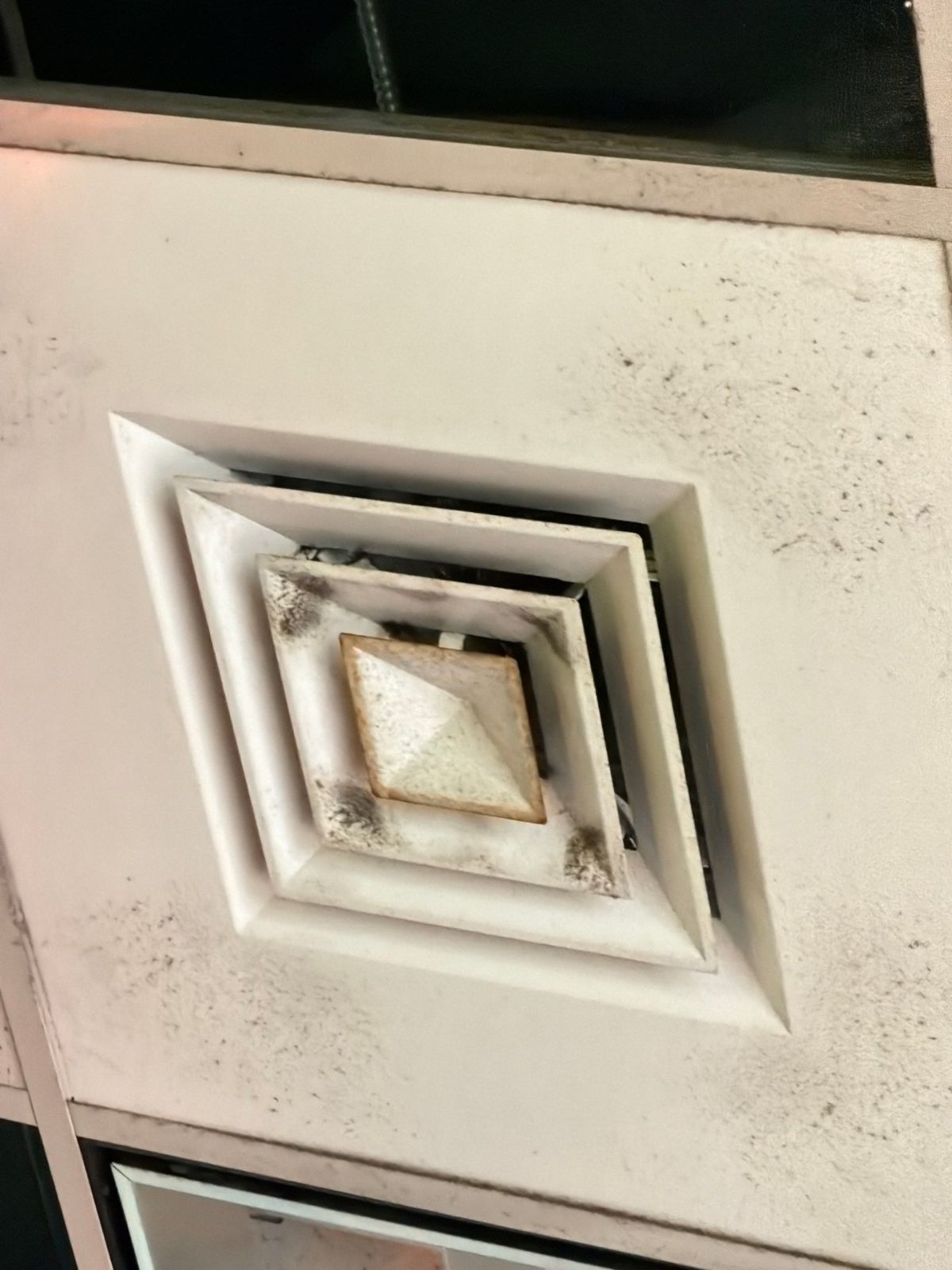
Soot is acidic. In the first days it dulls and yellows plastics and paint. Within a week or two it begins to corrode metal, etch glass and permanently stain grout and fabric. Dry soot from a fast, hot fire behaves differently from the greasy, smeary residue of a slow, smoldering fire or a kitchen grease fire, and the wrong cleaning method sets it permanently. This is the main reason we urge families not to start scrubbing walls with water and household cleaners. The companion article on how to get rid of smoke smell in a house explains what actually removes smoke residue and odor.
What to do after a house fire in the first month: the claim and the rebuild
- Meet the adjuster at the property with your restoration contractor present. A scope agreed on site avoids weeks of back-and-forth.
- Get a detailed written estimate that separates mitigation, contents, cleaning and rebuild. Ask the insurer to explain any line they cut.
- Understand depreciation. Many policies pay actual cash value first and release the recoverable depreciation after repairs are complete. Keep every receipt to collect it.
- Check permits. Structural repairs in most metro Atlanta jurisdictions require permits and inspections. A legitimate contractor pulls them.
- Clean the HVAC system before the rebuild is finished. Smoke travels through the return and coats every duct run. Running the system without cleaning redistributes soot and odor into your freshly painted rooms. Our NADCA-certified technicians handle post-fire duct cleaning as part of the project.
- Keep a claim journal. Date, who you spoke to, what was said. Disputes are won with notes.
If a claim stalls or you believe it is being underpaid, the Georgia Office of Insurance and Safety Fire Commissioner handles consumer complaints about insurers, and public adjusters are licensed in Georgia to represent policyholders. Our insurance claims page explains how we document losses so adjusters have what they need the first time.
Looking after yourself
A house fire is a trauma, not just a property loss. Sleep disruption, anxiety about the smell of smoke, and children who are afraid to go home are all normal in the weeks that follow. The Red Cross and the American Psychological Association both publish resources on emotional recovery after a fire, and your health insurance may cover counseling. Accept help from neighbors. In our experience across Johns Creek, Roswell and the rest of the metro, the families who recover fastest are the ones who let other people carry some of the load.
Need help now? ATL Restoration answers 24/7 at (770) 744-1282. Inspections are free for homes and businesses across metro Atlanta. Learn more about our fire damage restoration services or see every city we serve.
Frequently asked questions
Can I go back into my house after a fire?
Not until the fire department says it is safe. Structures can look intact and still have weakened floors, a compromised roof, live electrical hazards or gas leaks. Once cleared, enter in daylight with a flashlight, wear closed shoes and a mask, and do not run the HVAC system until it has been inspected.
What should I throw away after a house fire?
Food exposed to heat, smoke or firefighting chemicals, including anything in the refrigerator and freezer if the power was off or smoke got in. Cosmetics and medicines exposed to heat. Porous items soaked with soot or water that cannot be professionally cleaned, such as mattresses and some upholstered furniture. Photograph everything before you discard it for the claim.
Does homeowners insurance cover fire damage?
Fire is covered by essentially every standard homeowners policy, and it is usually the most completely covered loss there is. Coverage normally includes the structure, your belongings, smoke and soot cleanup, water damage from firefighting, and additional living expenses while you cannot live at home.
How long does fire damage restoration take?
Smoke-only losses can take days to a couple of weeks. Fires with structural damage take months, because demolition, permits, rebuilding and finishing all have to happen in sequence. The first week of board-up, water extraction and soot stabilization is the most time-sensitive part.
Who boards up the house after a fire?
The fire department does not. Your insurer expects you to secure the property, and most restoration companies, including ATL Restoration, provide emergency board-up and roof tarping within hours. Keep the invoice; it is a covered expense.
Should I try to clean soot myself?
Light soot on hard surfaces can be dry-sponged, but wet wiping sets soot into paint and fabric, and acidic soot keeps corroding metal and etching glass the longer it sits. For anything beyond a small area, professional cleaning within the first few days protects far more of your belongings.