
Does homeowners insurance cover water damage? The short answer: a standard homeowners policy covers water damage that is sudden and accidental, such as a burst pipe, a failed water heater or a washing machine hose that lets go. It does not cover flooding from outside the home, slow leaks that went unnoticed for months, or sewer backups unless you bought an endorsement. The details below explain where the lines are drawn and what Georgia homeowners can do to keep a claim from being denied.
This article is general information, not legal or insurance advice. Your own policy wording controls, so read the declarations page and the exclusions section, and ask your agent to confirm anything that matters to your claim.
The one phrase that decides most water claims: “sudden and accidental”
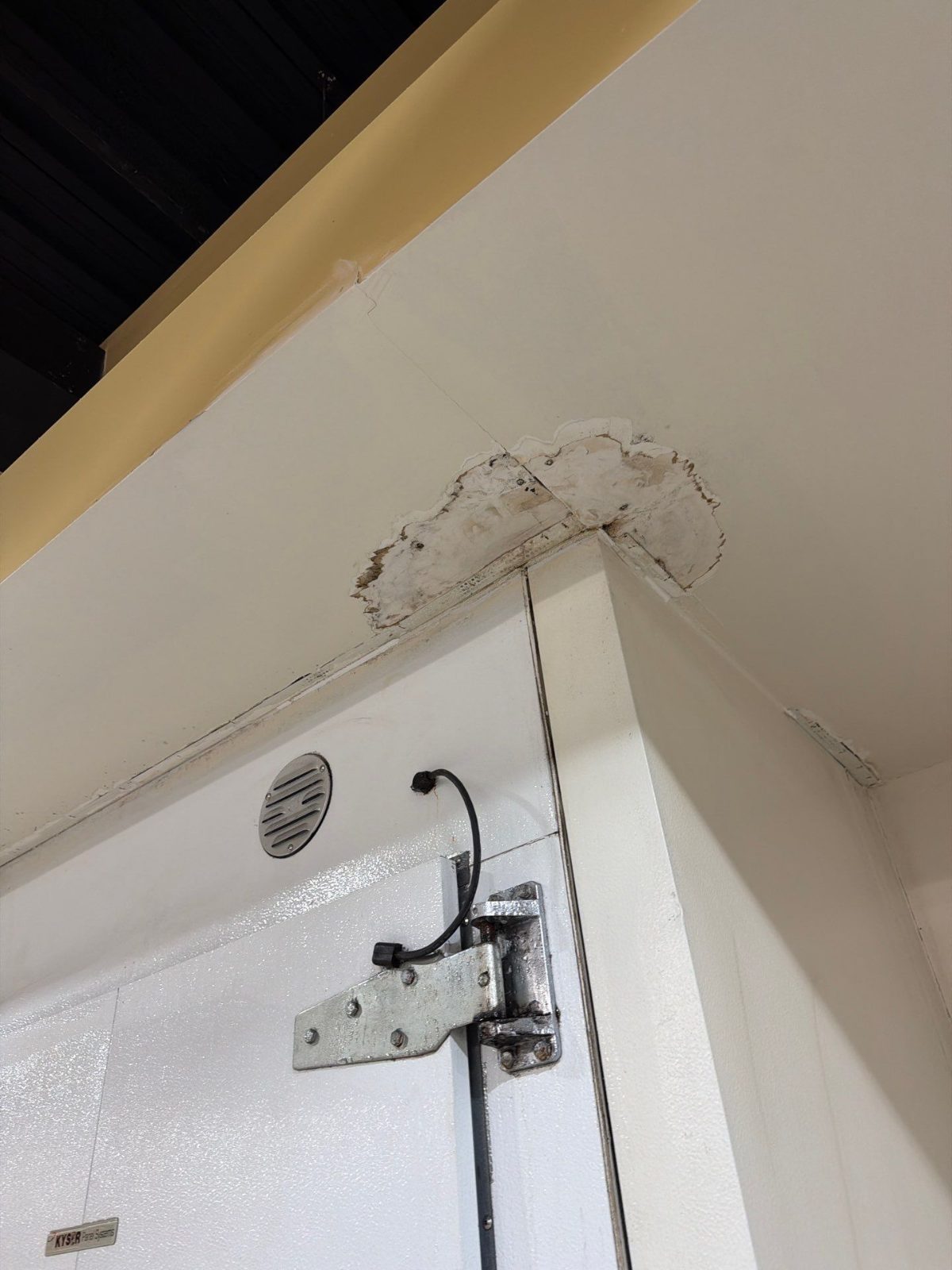
Insurance companies sort water losses into two buckets. The first is water that arrived all at once from a covered cause. The second is water that seeped, dripped or wicked over time. The first bucket is covered under nearly every standard policy sold in Georgia. The second is excluded as maintenance, wear and tear, or neglect.
That is why the same amount of damage can be paid in full for one neighbor and denied for another. A supply line that bursts under a kitchen sink on a Tuesday night is a covered event. A supply line that has been weeping onto the cabinet floor since spring is not, even though both leave you with a ruined cabinet and wet subfloor.
Typically covered
- Burst or cracked supply pipes, including pipes that freeze and split, as long as the home was heated
- Water heater tanks that rupture
- Washing machine, dishwasher and ice maker hoses that fail suddenly
- Overflowing tubs and sinks caused by a sudden blockage or a child who left the tap running
- Rain that gets in through a hole a storm made in the roof or siding
- Water used by firefighters to put out a fire
- Accidental discharge from a fire sprinkler or HVAC condensate line
Typically excluded
- Flooding, meaning surface water, overflowing creeks and lakes, storm surge or groundwater rising through a slab
- Water that backs up through sewers, drains or a sump pump (available as an add-on)
- Slow leaks and seepage, repeated dripping, and condensation
- Rot, rust, corrosion and deterioration
- Mold, which is often capped at a small limit or excluded unless it results from a covered water event (see our companion guide, Does homeowners insurance cover mold?)
- Damage from frozen pipes in a vacant or unheated home
- The cost of fixing the thing that failed, such as the pipe or the water heater itself
Flooding is a separate policy, and Georgia is not exempt
This surprises people every year after a big storm in Gwinnett or Fulton County. Water that rises from outside the house is never part of a homeowners policy. FloodSmart, the official site of the National Flood Insurance Program, puts it plainly: most homeowners insurance does not cover flood damage.
Flood coverage is bought separately through the NFIP or a private carrier, and policies typically have a waiting period before they take effect, so buying one when a hurricane is already in the Gulf does not help. You do not need to live in a mapped flood zone to buy it. Many of the costliest flood claims in metro Atlanta come from neighborhoods near small creeks that are not in a high-risk zone at all.
If you are not sure whether your loss counts as flood or as a covered discharge, think about where the water came from. Water that started inside the plumbing, the roof or an appliance is usually a homeowners claim. Water that came in from the yard, the street or the ground is a flood claim. Our flood damage cleanup team deals with both, and we can document the source so the right carrier sees it.
Does homeowners insurance cover water damage cleanup and repairs?
When the cause is covered, a typical claim includes three groups of costs:
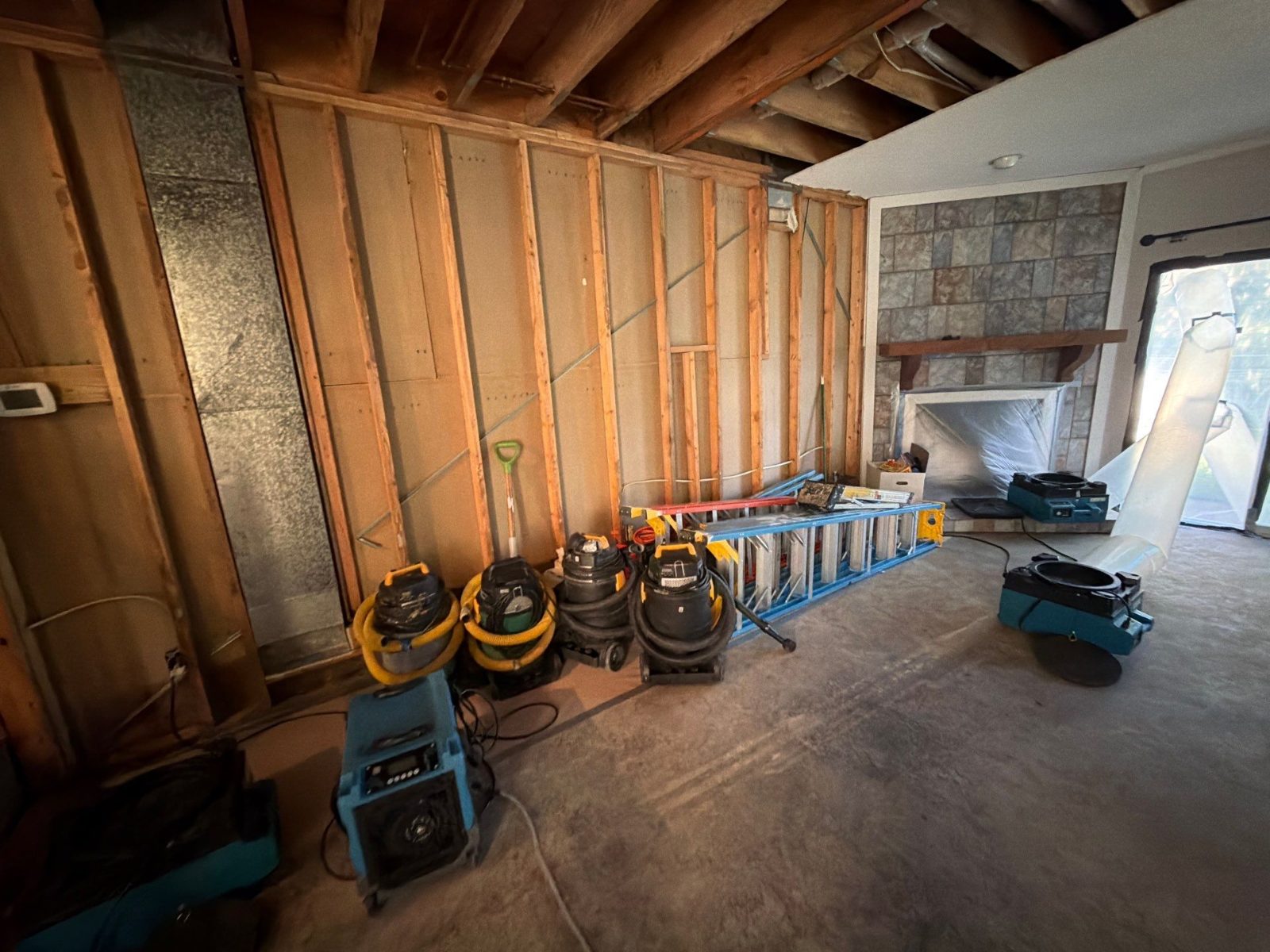
- Mitigation. Water extraction, removing wet drywall, insulation and flooring, setting up dehumidifiers and air movers, and daily moisture readings until the structure is dry. This is the water damage restoration work that has to start within the first day or two.
- Repairs. Rebuilding what was removed: drywall, paint, trim, cabinets, flooring.
- Contents and living expenses. Damaged furniture and belongings, and, if the home is unlivable, hotel or rental costs under the additional living expense part of the policy.
Most policies also contain a duty to protect the property from further damage. In practice that means the insurer expects you to shut off the water, call a mitigation company and start drying promptly. Fast action is not just good for your house. It is part of your side of the contract.
Renters and condo owners: different policies, different answers
If you rent, your landlord’s policy covers the building, not your belongings. A renters policy (HO-4) covers your personal property against the same sudden water events, plus your living expenses if you have to move out. Slow leaks and floods are excluded the same way. If a neighbor’s overflowing tub ruins your couch, your renters policy pays you and may then pursue the neighbor’s insurer.
Condo owners usually carry an HO-6 policy that covers the inside of the unit from the drywall in, while the association’s master policy covers the structure and common pipes. Which policy responds often depends on where the pipe that failed was located and what the condo bylaws say. Keep both policy numbers handy, because water from one unit frequently damages two or three.
Seven steps that protect a Georgia water damage insurance claim
- Stop the water. Close the main shutoff, which in most Atlanta homes is near the water heater, in a garage wall or at the meter box by the street.
- Photograph everything before you move it. Standing water, the source, wet belongings, the serial number on a failed water heater. Short videos help too.
- Call your insurer the same day and ask for the claim number, the adjuster’s name and whether they require you to use a specific mitigation vendor. In Georgia you are generally free to choose your own contractor.
- Start drying within 24 to 48 hours. The EPA’s mold guide notes that materials dried within that window usually do not grow mold. Waiting turns a water claim into a mold dispute.
- Keep the failed part. Adjusters often want to inspect the burst hose or cracked fitting. Bag it and label it.
- Save every receipt, including the plumber, the hotel and the fans you bought at the hardware store.
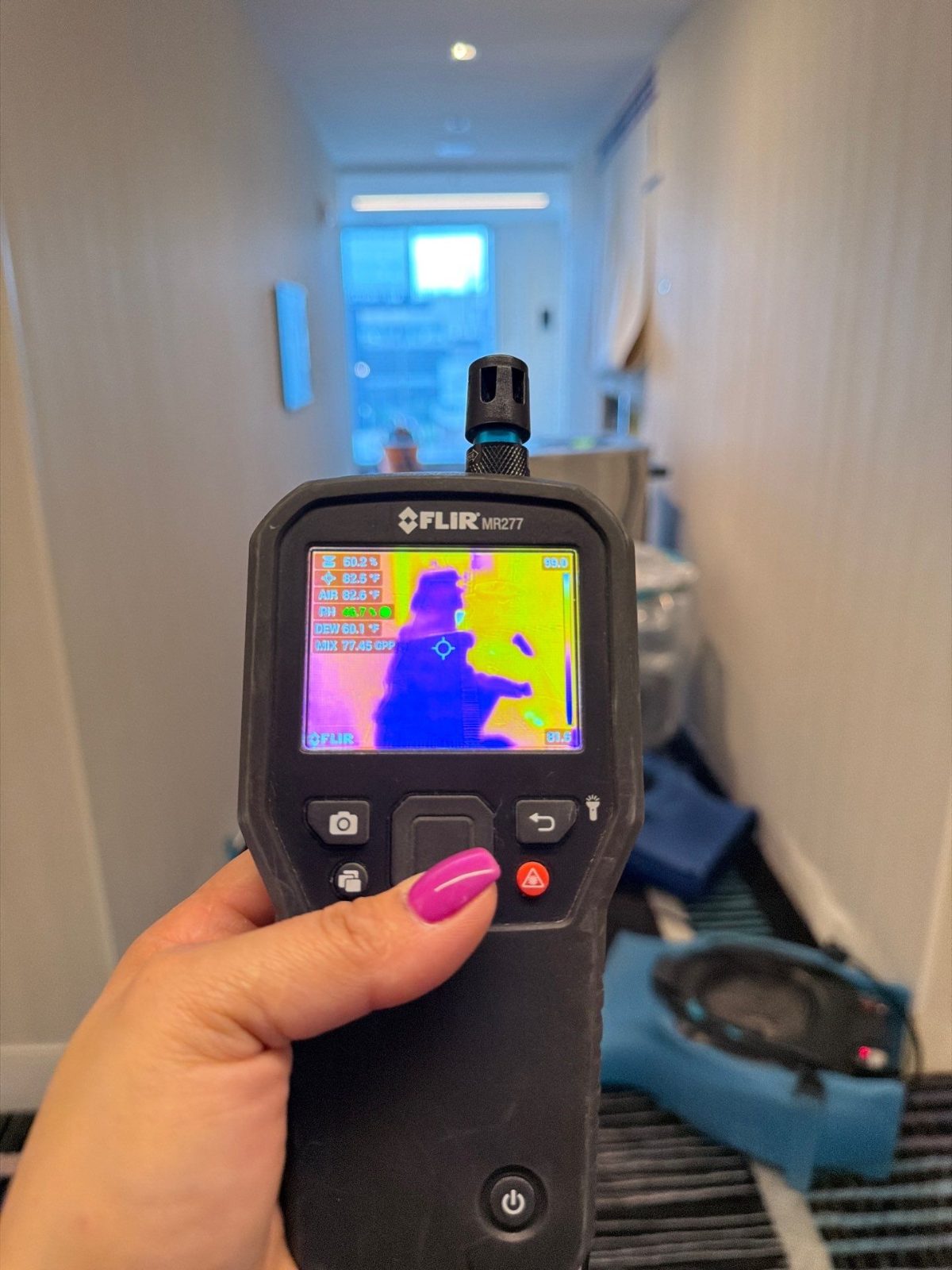
- Get a written moisture report. A mitigation company that logs daily readings gives the adjuster proof that the drying was necessary and complete. Our crews follow the IICRC S500 standard and provide these logs on every job.
Why claims get denied, and what to do about it
The most common reasons we hear from homeowners in Alpharetta, Marietta and across the metro are: the insurer called the leak gradual, the homeowner waited too long to report it, the damage was blamed on a maintenance issue such as old caulk, or the loss was really a flood. Sometimes the denial is correct. Sometimes it is a first offer.
If you disagree, ask the adjuster to point to the exact policy language they are relying on. Request a re-inspection, and have your mitigation contractor’s moisture map and photos ready. If you still cannot resolve it, the Georgia Office of Insurance and Safety Fire Commissioner accepts consumer complaints and can review how a claim was handled. Georgia also allows public adjusters, who work for the policyholder for a percentage of the settlement.
Small changes that lower your risk and your premium
- Replace rubber washing machine hoses with braided steel every five years.
- Install a leak sensor under sinks, behind the fridge and next to the water heater. Some Georgia insurers discount premiums for whole-house shutoff valves.
- Drain and inspect the water heater yearly. Most tanks fail between years 8 and 12.
- Insulate pipes in crawl spaces and garages before the first hard freeze.
- Know where your shutoff is and show everyone in the house.
So, does homeowners insurance cover water damage? Usually yes for sudden events, usually no for slow ones, and never for floods. Water in the house is stressful enough without a coverage fight afterward. Our earlier guide on what to do immediately after water damage covers the first hour, and our insurance claims page explains how we work with adjusters directly so you are not stuck in the middle.
Need help now? ATL Restoration answers 24/7 at (770) 744-1282. Inspections are free for homes and businesses across metro Atlanta. Learn more about our water damage restoration services or see every city we serve.
Frequently asked questions
Does homeowners insurance cover a burst pipe?
Usually, yes. A pipe that bursts suddenly is the classic example of the sudden and accidental discharge most standard policies cover. The policy typically pays to dry the home, remove damaged materials and rebuild. It usually does not pay to repair the pipe itself. If the pipe froze because the home was left unheated, many policies deny the claim, so keep the heat on if you travel in winter.
Does homeowners insurance cover a slow leak under a sink or behind a wall?
Most standard policies exclude damage that happened gradually, such as a drip that stained a cabinet floor over months. Insurers call this wear and tear or lack of maintenance. Some carriers still cover the part of the loss that was hidden and could not reasonably have been found. Read your policy and ask your agent before you assume the answer is no.
Does homeowners insurance cover flooding in Georgia?
No. Rising water from a creek, a storm surge or heavy rain pooling against the house is excluded from standard homeowners policies everywhere in the United States, including Georgia. Flood coverage comes from a separate policy through the National Flood Insurance Program or a private flood insurer, and it normally has a waiting period before it takes effect.
Is sewer backup covered?
Not by default. Water that backs up through a drain, toilet or sump pump is excluded from most base policies, but many insurers sell a water backup endorsement for a modest premium. Check your declarations page for words like water backup or sump overflow.
Does homeowners insurance pay for the water mitigation company?
When the cause is covered, the policy generally pays for emergency drying and cleanup as part of the claim. Many policies also require you to take reasonable steps to prevent further damage, which is exactly what fast water extraction does. Keep every invoice and photo.
How long do I have to file a water damage claim in Georgia?
Policies set their own notice requirements, and most say to report promptly. Waiting weeks can give the insurer grounds to argue the damage got worse because of the delay. Call your carrier the same day you find the water, even if you are not sure yet whether you will file.