
How to get rid of smoke smell in a house comes down to one rule: smoke smell comes from residue, and you cannot deodorize residue. You have to remove it. Every method that works follows the same order: get the soot and smoke film off surfaces, clean or discard the porous materials that absorbed it, clean the HVAC system that spread it, seal what cannot be fully cleaned, and only then treat the air. Sprays, candles and bowls of vinegar skip to the last step, which is why the smell comes back the next humid afternoon. Here is the full method, from a small kitchen flare-up to a whole-house fire.
Why smoke smell lingers
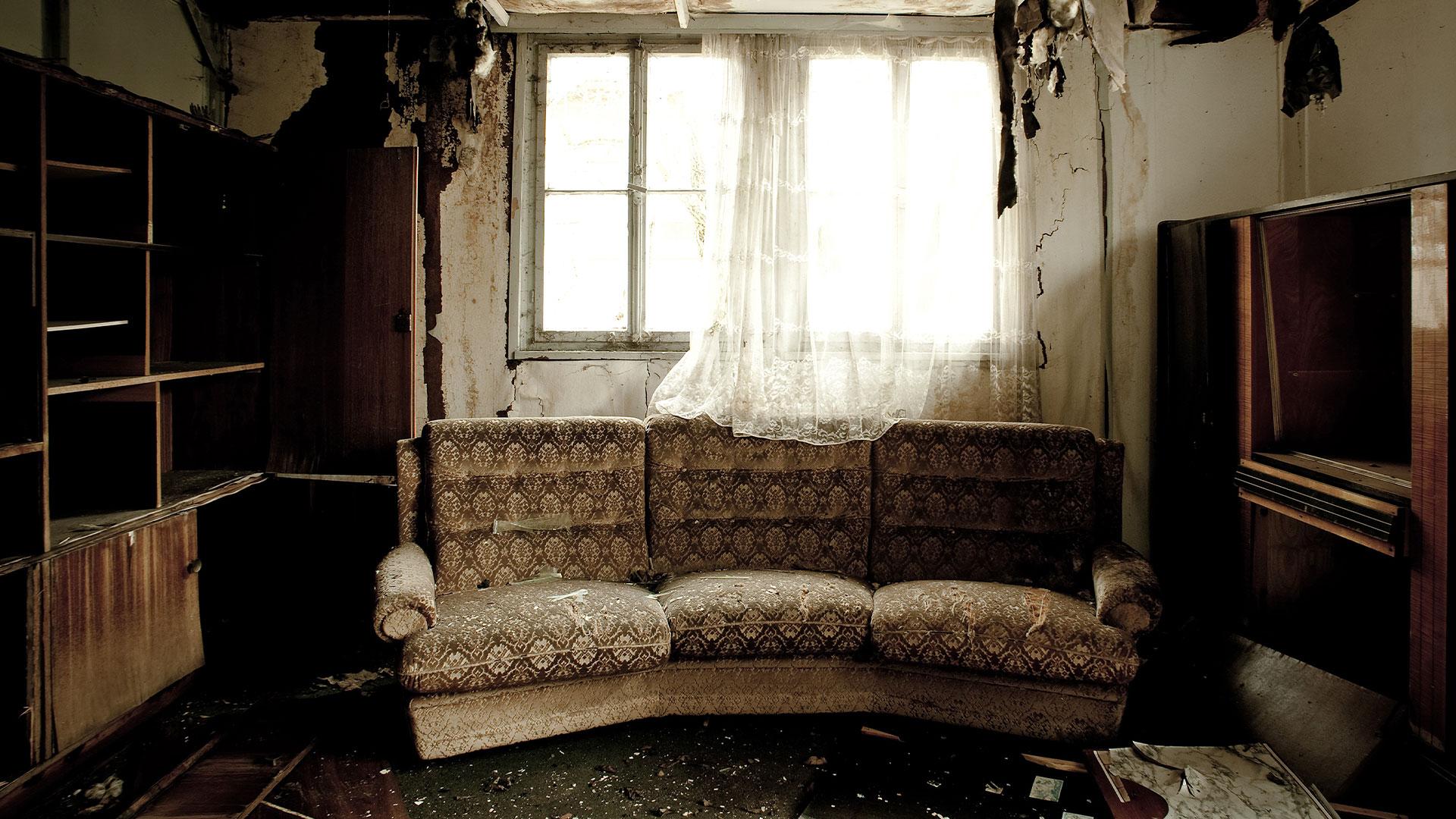
Smoke is a cloud of microscopic particles and gases driven by heat. As the house cools, those particles settle and bond to every surface, and the warm air carries them into places you cannot see: the cavity above the ceiling, the inside of closets, the back of drawers, the insulation in the attic, and every foot of ductwork. Porous materials such as drywall, unfinished wood, fabric, carpet pad and books absorb the gases and release them slowly for months. Humidity makes it worse, which is why a house in metro Atlanta smells stronger on a muggy August evening than on a dry January morning.
The type of fire matters too. A fast, hot fire leaves dry, powdery soot that cleans relatively well. A slow smoldering fire, a kitchen grease fire or burned plastics leave a greasy, smeary film that spreads if you wipe it wrong. Protein fires, such as a pot of chicken left on the stove, leave almost nothing visible but a stubborn odor that penetrates paint.
Step 1: ventilate and stop the spread
- Open windows on opposite sides of the house for cross-ventilation if the weather allows.
- Turn the HVAC system off and leave it off until the ducts and air handler have been inspected. Running it moves residue from the fire area into every room.
- Change the furnace filter anyway, so it is not holding smoke particles in the return.
- Remove the most saturated items from the house: burned materials, soaked fabrics, food exposed to smoke. The Red Cross advises discarding any food exposed to heat, smoke or soot.
Step 2: remove soot the right way
Soot removal is where most do-it-yourself attempts go wrong. Water and household cleaners smear soot into paint and fabric and set the stain. Professionals use dry chemical sponges first, wiping in one direction and turning to a clean face often, to lift dry soot off walls and ceilings. Only after the dry residue is gone do they wet-clean with degreasing agents matched to the type of residue. Hard surfaces, cabinets, countertops, light fixtures, blinds and window tracks all get the same two-stage treatment.
Soot is also acidic, so speed matters. It yellows plastics within days and begins etching glass and corroding metal within weeks. If the fire was more than a small flare-up, this stage should start within the first few days. Our smoke damage restoration team handles it alongside any fire damage repairs.
Step 3: deal with the porous materials
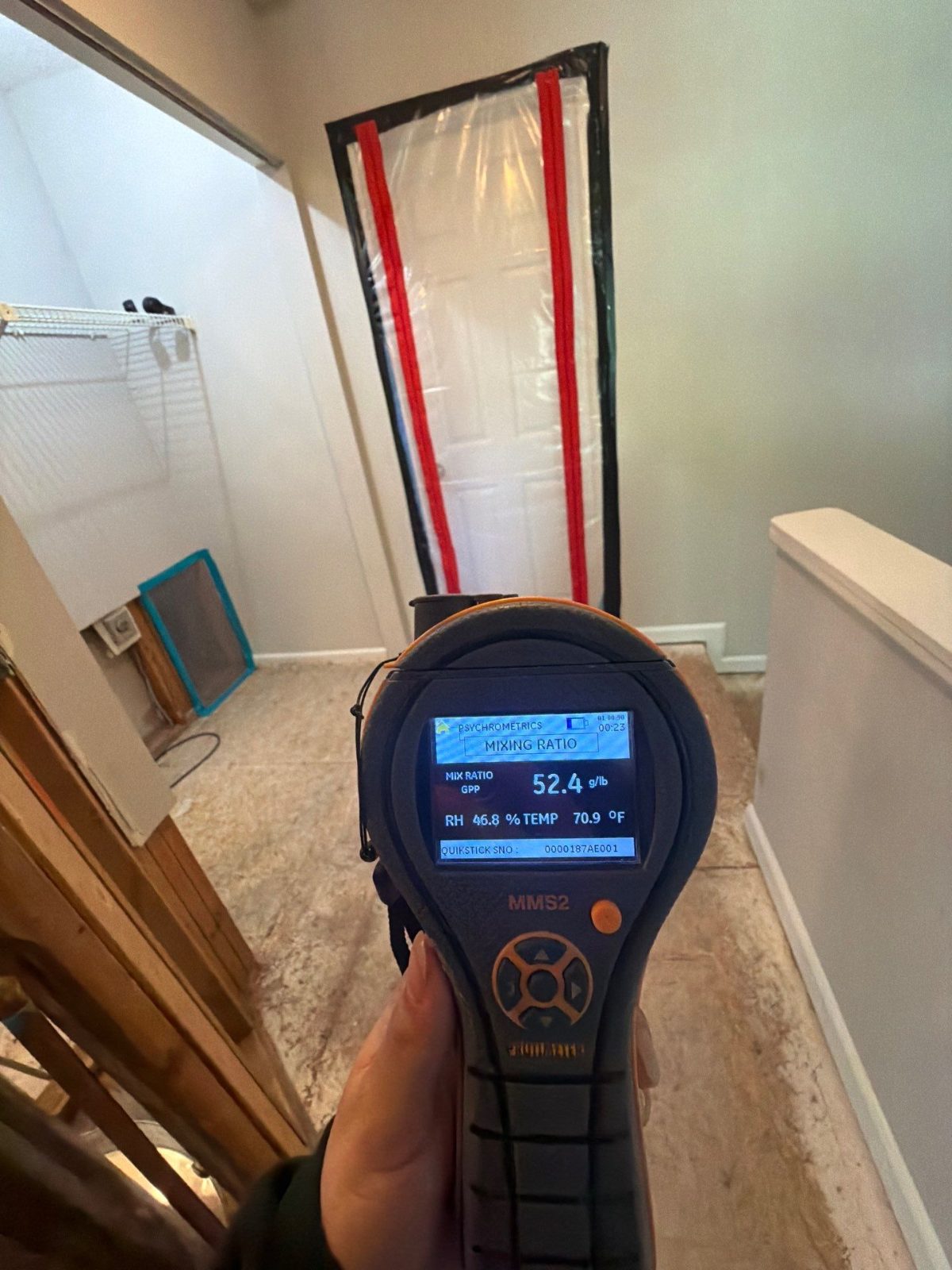
This is the honest conversation every homeowner needs: some things cannot be deodorized and have to go.
- Carpet and pad in the fire room and adjacent rooms usually need replacement. Pad is a sponge for smoke.
- Insulation in attics and walls near the fire holds odor and should be removed and replaced.
- Charred wood must be removed or, where structural and sound, cleaned and sealed.
- Drywall that is intact can often be cleaned and sealed; drywall that absorbed heavy smoke or got wet from firefighting is replaced.
- Fabrics and clothing go to a restoration cleaner who uses odor-removal laundering or ozone chambers, not a regular dry cleaner.
- Upholstery and mattresses are evaluated piece by piece. Light exposure cleans; heavy saturation does not.
- Books and paper can sometimes be treated in a chamber, but heavily affected items are often not worth the cost.
Step 4: clean the HVAC system
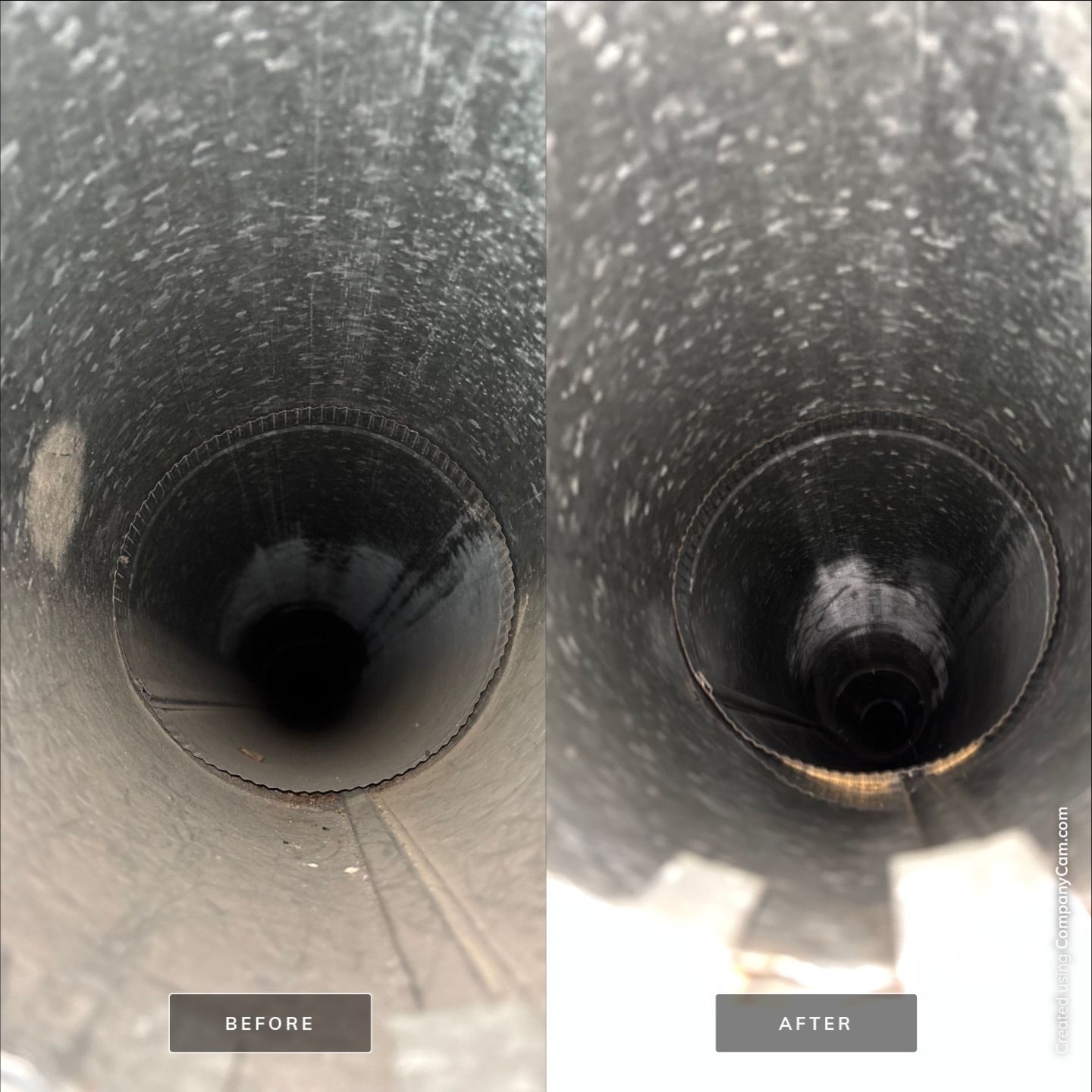
If the system ran during or after the fire, the return pulled smoke through the air handler and into every supply duct. Every time it starts, it exhales that smell into rooms the fire never touched. Proper air duct and HVAC cleaning after smoke damage includes the duct runs, plenums, registers, blower assembly and the evaporator coil, followed by a new filter. Our NADCA-certified technicians do this as part of every significant smoke job. Skipping it is the most common reason a house smells fine for a week and then does not. For more on when duct cleaning is warranted in general, read how often air ducts should be cleaned.
Step 5: seal and refinish
Once surfaces are cleaned, anything that still carries residue in its pores gets sealed. Restoration contractors use stain-blocking, odor-sealing primers designed for fire damage on walls, ceilings, subfloors and framing before new paint, flooring and insulation go in. Ordinary latex paint over smoke damage fails twice: the yellow-brown staining bleeds through, and the odor keeps off-gassing through the film.
Step 6: treat the air, last
Only now do air treatments make sense, because now they are finishing a job rather than hiding one.
- HEPA air scrubbers with activated carbon run for days to capture the fine particles and gases released during cleaning.
- Thermal fogging recreates the way smoke travelled, sending a deodorizing fog into the same cracks and cavities to neutralize residue that cleaning could not reach.
- Hydroxyl generators break down odor molecules and can run while people are in the house.
- Ozone is powerful but requires the home to be empty of people, pets and plants while it runs, and it can damage rubber and some finishes. It is a tool for contents chambers more than occupied homes.
Where sanitizing is appropriate, for instance after smoke mixed with firefighting water, we use botanical antimicrobials. Product details are on the Bioesque botanical disinfectant page.
How to get rid of smoke smell in a house after a small kitchen fire
Not every smoke smell needs a crew. If dinner burned on the stove or a candle smoked out a bedroom:
- Ventilate hard for several hours, with a box fan pulling air out a window.
- Wipe hard surfaces in the room with a mild degreasing cleaner, including the ceiling near the source.
- Wash curtains, bedding and washable fabrics; add a cup of white vinegar to the rinse.
- Replace the HVAC filter.
- Set bowls of baking soda or activated charcoal in the room for a few days to absorb residual odor.
If the smell is still there after a week, residue is somewhere you have not cleaned, and it is time for an inspection.
How to get rid of smoke smell in a house you just bought
Years of cigarette smoke behave like a slow fire. The nicotine film is on every surface and inside the ducts, and it turns walls yellow and sticky. The method is the same: degrease every hard surface including ceilings and inside cabinets, clean the HVAC system, remove carpet and pad, seal every painted surface with an odor-blocking primer, then paint. Homes in older neighborhoods across Marietta, Decatur and Sandy Springs come to us with this regularly, and the sealing step is the one buyers most often skip and most often regret.
Need help now? ATL Restoration answers 24/7 at (770) 744-1282. Inspections are free for homes and businesses across metro Atlanta. Learn more about our smoke damage restoration services or see every city we serve.
Frequently asked questions
How long does smoke smell last in a house?
Left alone, smoke odor from a fire can linger for months or years because the particles are embedded in porous materials and inside wall cavities and ducts. With proper source removal, cleaning, and odor treatment it can be eliminated in days. Cigarette smoke built up over years takes the same approach: remove the residue, then treat what remains.
Does vinegar or baking soda remove smoke smell?
They can absorb light surface odors in a small space, such as a room where something burned on the stove, but they do nothing for residue inside walls, ducts, insulation and upholstery. For a house fire or heavy cigarette smoke they are a first-aid measure, not a solution.
Does painting over smoke damage work?
Not with ordinary paint. Smoke residue bleeds through latex paint and the odor continues to off-gas. Walls have to be cleaned first, then sealed with a stain-blocking primer made for smoke damage, then painted.
Is smoke smell dangerous?
Lingering smoke odor means fine particles and volatile compounds are still present. For people with asthma, allergies or heart or lung conditions, that matters. Children and pets spend more time near floors and fabrics where residue collects. Removing the source is a health measure as well as a comfort one.
Will an air purifier get rid of smoke smell?
A HEPA purifier with an activated carbon stage will reduce airborne particles and some odor while it runs, but it cannot clean residue off surfaces or out of ducts. Use it as a supplement during and after remediation, not as the plan.
Can you get smoke smell out of clothes and furniture?
Usually yes. Clothing responds to specialty laundering or ozone treatment by a restoration dry cleaner. Upholstery and mattresses depend on how deeply the smoke penetrated; light exposure cleans well, heavy saturation often does not. A restoration company can test items before you decide.